
Four more WMS implementation case studies you can learn from
In our last article on WMS case studies, we looked at what happens when implementation projects go wrong. It also helps to look at the teams that got the basics right. Not because their projects were perfect, but because they solved a specific operational problem and built the system around it.
These four all start in different places; one business needed to stop pickers wasting steps, while another had to survive a huge spike in order volume without turning the warehouse into a bottleneck (and so on). Different problems, same lesson...Good WMS implementations tend to work because they make the right process easier to follow.
1. Face The Future: Fix movement before chasing speed
Face The Future is a prime example of what good WMS adoption looks like in a fast-moving eCommerce environment. The online beauty shop and advanced skin clinic moved from manual, paper-based work into a 20,000 sq. ft. warehouse, shipping roughly 700 to 2,000 orders a day.
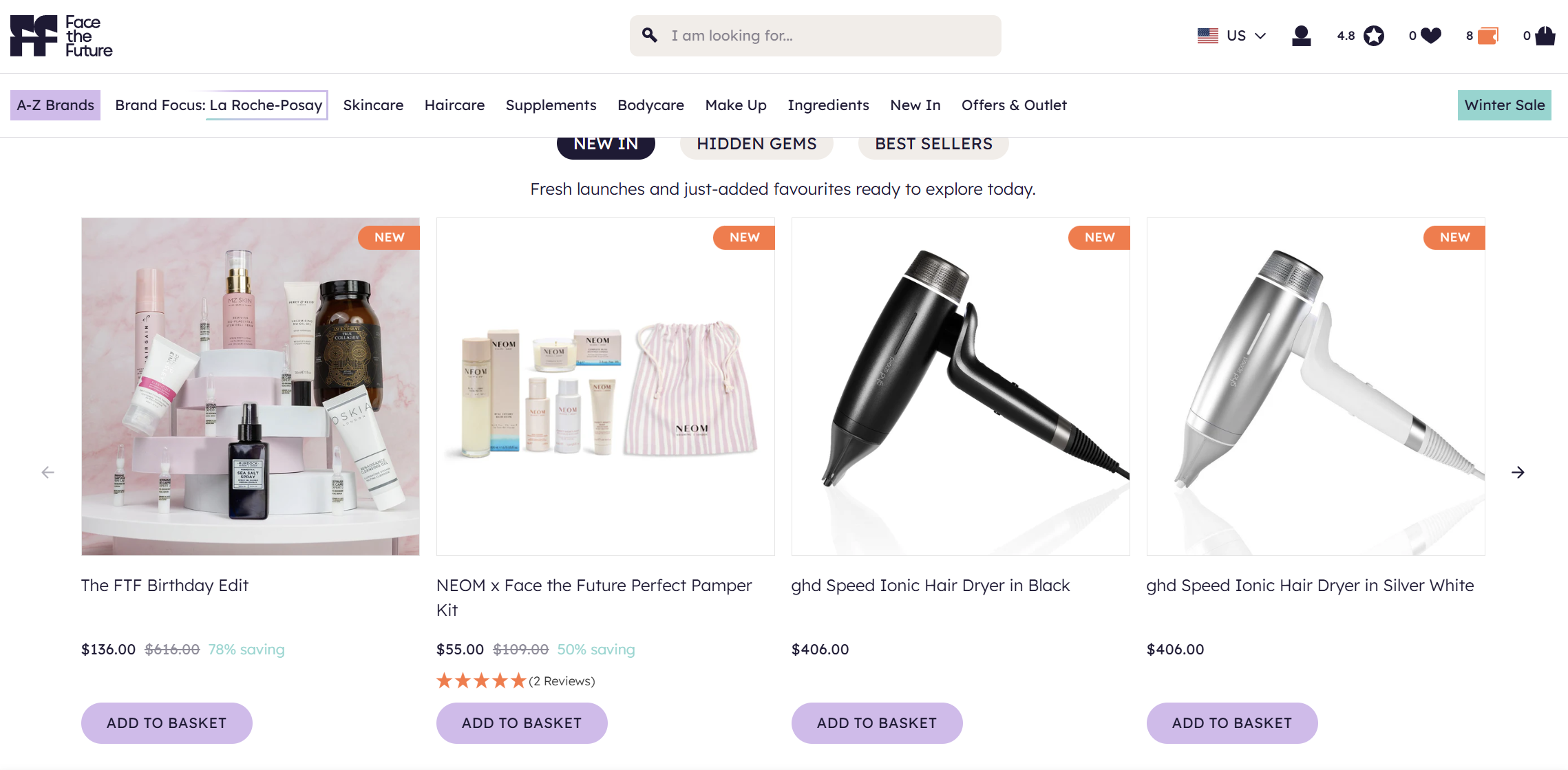
The point isn’t the order volume, but how the team reduced unnecessary movement and made accuracy part of the workflow. Instead of expecting staff to “work faster,” the warehouse team reduced wasted movement and made verification part of the process. Pickers follow a set location order rather than walking the warehouse in an ad hoc pattern. Orders are grouped into container picks. Packers scan items before completion. The Helm WMS implementation resulted in a reported fulfillment error rate below 0.1%.
The lesson is simple: do not treat picking speed and picking accuracy as separate problems. If your routes are messy and your checks happen too late, your team will spend the day recovering from preventable mistakes. A better WMS setup gives staff a clear path, sensible batching rules and a non-negotiable verification step before parcels leave the building.
2. The Savannah Bananas: Separate inventory properly if you sell on more than one channel
The Savannah Bananas had a different issue. Their team was fulfilling online orders from one building while selling merchandise across more than 70 stadium point-of-sale locations, all the while managing around 4,000 SKUs and an average of 13,000 orders a month. Naturally, this makes inventory control increasingly difficult, especially when stock is moving between touring events and direct-to-consumer fulfilment.
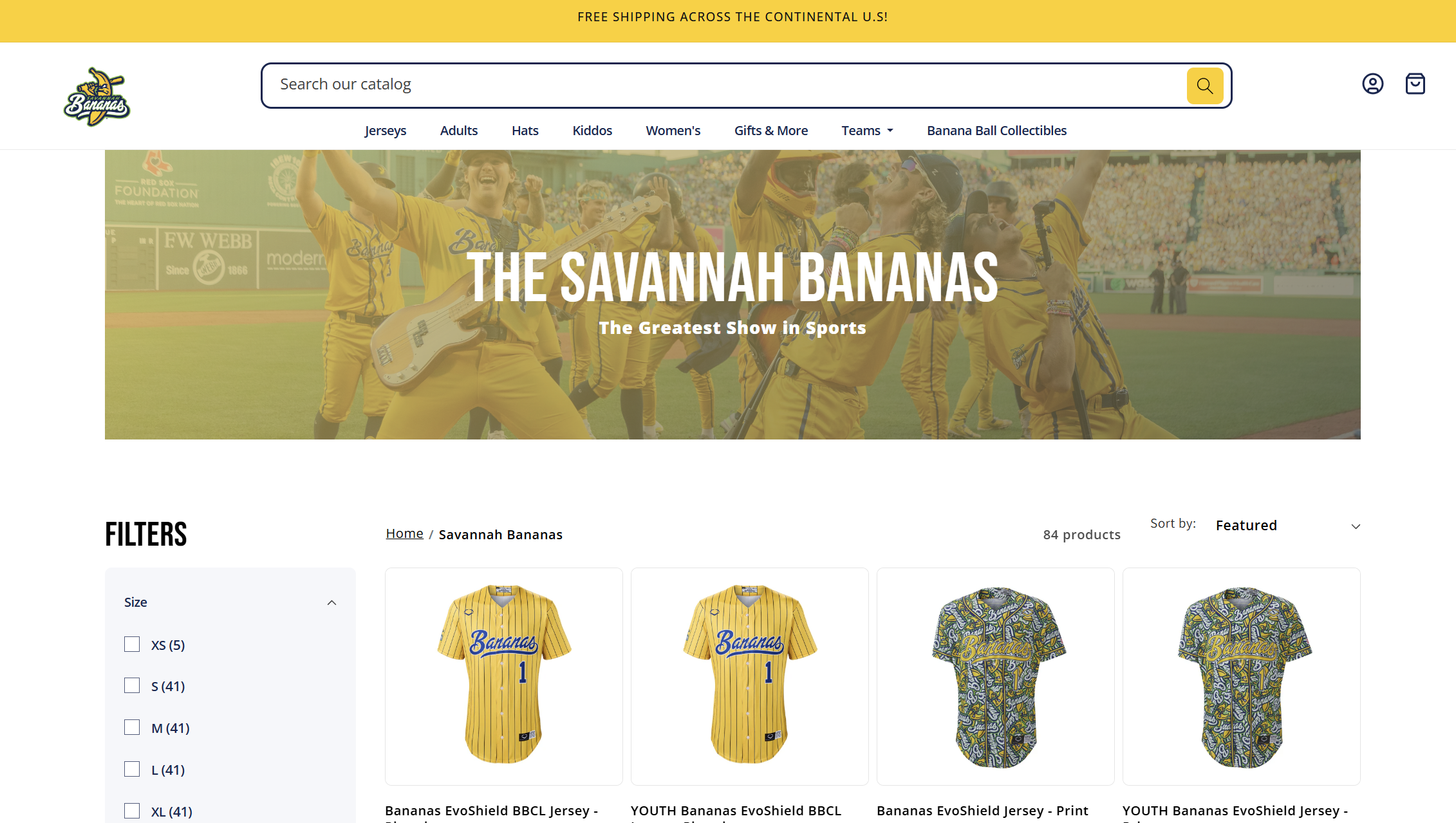
What stands out here is the decision to clearly separate stock rather than assume all inventory behaves the same way; their setup allowed the same SKU to sit in different inventory pools for different purposes while still maintaining visibility across the operation.
In-person sales also synced back into the system in real time, helping the team avoid oversells and keep stock numbers honest. On the fulfillment side, batch and cluster picking helped cut repeat travel through the warehouse.
Find your best-fit WMS vendor using our free comparison tool
According to ShipBob, 80% of orders went out within 24 hours, and shipping did not stretch beyond 36 hours during the period covered.
The takeaway is that not every warehouse needs stadium merchandise logic. Once a business starts selling through multiple channels, a single inventory pool often stops being useful. A WMS has to reflect how stock actually moves, not how finance would prefer to view it.
3. Hidro 220: Use the WMS to control shelf life, not just stock levels
Hidro 220 shows why inventory accuracy means more than having the right quantity on hand. The business sells hydration and nutrition products online from a 200 m² warehouse, so expiry dates and lot traceability matter. Shopify on its own was not enough for that. The team needed batch control, FIFO logic, barcode scanning and a clearer audit trail.
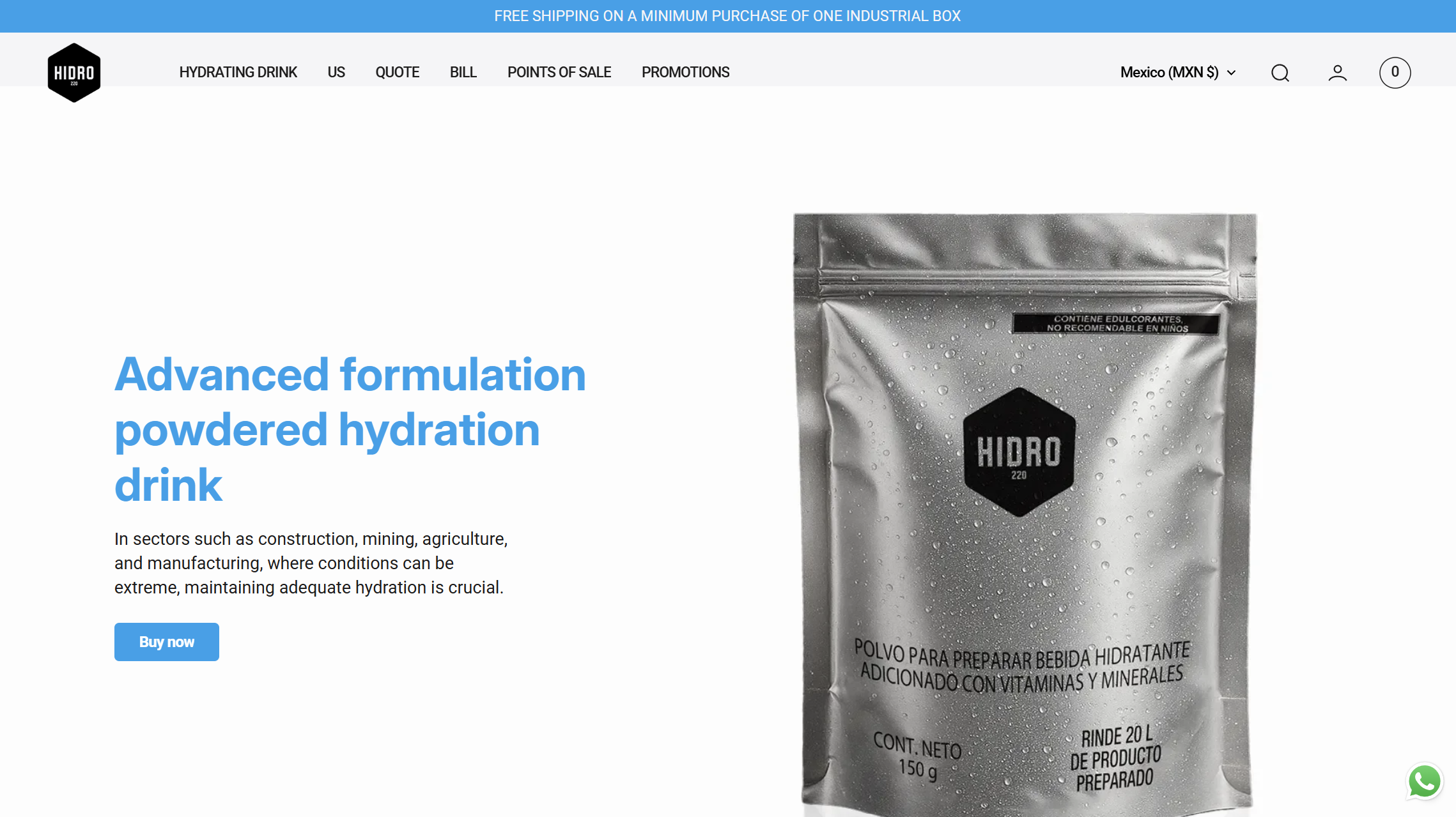
According to the PULPO WMS case study, the implementation focused on a few operational needs:
- Native Shopify integration
- Batch and expiration-date control
- Barcode scanning
- A clearer audit trail
These variables change the shape of the implementation. In this case, it was about making sure the right batch got selected in the right order every time. The system automatically chose stock closest to expiry, supported blind counting tasks and reduced manual handling through barcode-led workflows and label automation. PULPO also reported fewer picking and packing errors, faster processing and better visibility into inventory movements.
Keep that in mind if you handle food, supplements, cosmetics, or any product with lot and shelf-life requirements. The best WMS project is not always the one that speeds everything up first, but rather the one that removes judgment calls from the riskiest part of the operation.
4. IMG: Identify the real bottleneck before you automate
IMG faced the kind of peak volume that exposes every weak spot in a warehouse. Cadre’s example centres on a scenario where a promotion drove over 85,000 orders in three days. Naturally. That kind of spike exposes every weak point in a warehouse operation…very quickly.
What the team did well was prepare for the constraint they could already see. The case study says IMG had around six months’ notice, which gave them time to improve validation and labelling rather than simply throw more labour at the problem.
Cadre added a conveyor-based validation step using handheld scanners and implemented print-and-apply labelling so the shipping label was applied automatically once the order was confirmed. Cadre says that the change cut the temporary labour requirement from 15 people to five per line.
Want WMS selection and implementation advice sent straight to your inbox?
Join our community of 4,000+ warehouse leaders and get exclusive access to the latest WMS research, downloads and on-demand sessions to optimize your operations and simplify your WMS project.
That is a good reminder for any business thinking about warehouse automation. Start with the queue, not the technology. Look at where work stalls when order volume rises. If labels, paperwork, or final verification are slowing everything down, that is where the WMS and any connected automation need to do the heavy lifting.
What these case studies have in common
These businesses differ in size, sector and complexity, but they followed the same logic:
- They identified a real operational constraint.
- They built clear rules around it.
- Then, they used the WMS to make those rules repeatable.
If you are planning a WMS project, start by identifying the one warehouse problem that creates the most cost, delay, or rework today.
Then, ask whether your implementation plan fixes that problem at the point where it happens. The teams in these case studies did not get better results because they installed more software. They got better results because they turned fragile manual habits into a repeatable process.

Free white paper

WMS demo guide & scorecard
The difference between a smooth WMS implementation and a poor fit often starts in the demo. Use this guide to identify what to ask, who to involve, and how to measure results.